.png)
How to Clean a Gaming Chair: PU Leather and Fabric Care Guide
Direct answer: To clean a gaming chair, first identify the material, remove dust with a soft cloth or vacuum, spot clean gently, avoid soaking the upholstery, and dry the surface before use. PU leather, fabric, mesh, plastic, metal, and caster wheels need different care methods, so the safest approach is material-specific maintenance.
Key Takeaways
PU leather should be wiped gently and kept away from harsh chemicals.
Fabric chairs should be vacuumed first and spot cleaned carefully.
Mesh needs light dust removal and gentle cleaning to protect the weave.
Armrests, bases, and caster wheels should be cleaned separately.
For brands and wholesalers, clear care instructions can reduce avoidable complaints.
Identify the Chair Material First
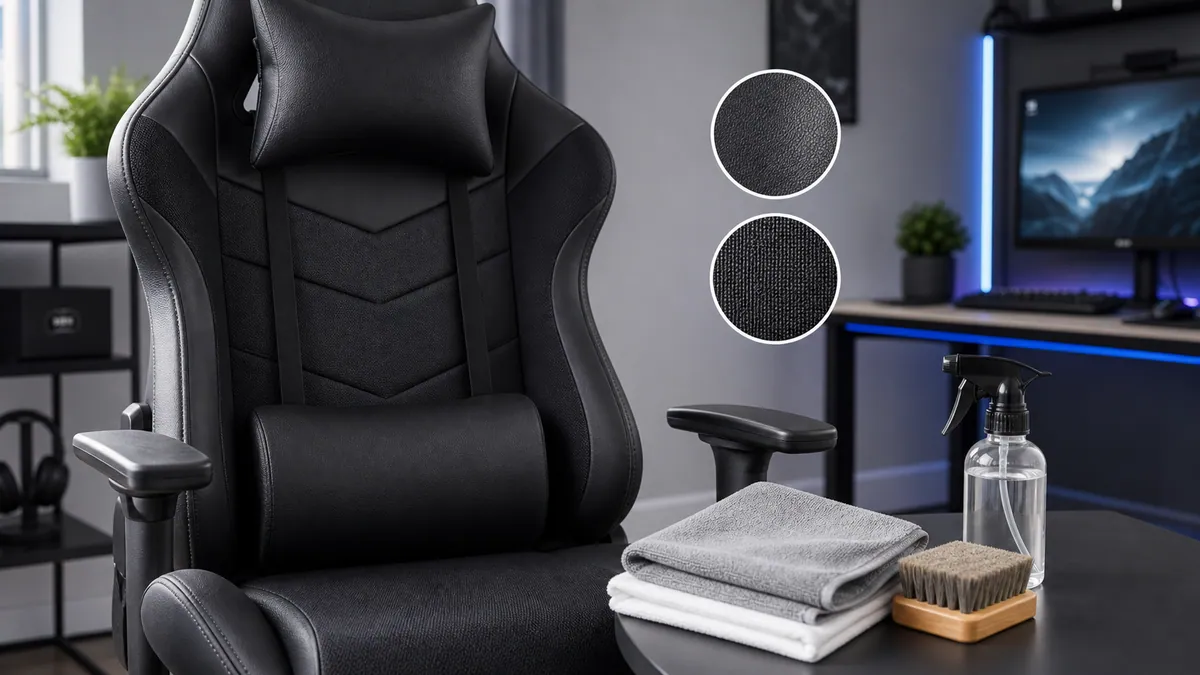
Before cleaning, identify the main surface material. Many gaming chairs use PU leather, PVC, fabric, mesh, or a mix of materials. The wrong cleaning method can cause discoloration, cracking, residue, fabric staining, or unnecessary wear. A material-safe approach is especially important for retail brands and distributors because customers often judge product quality by how the chair looks after regular use.
Anji Jietai manufactures different gaming furniture options, including PC gaming chairs, racing gaming chairs, and ergonomic models. Care advice should match the material and product positioning. A premium upholstered chair may need different guidance than a basic PU gaming chair or a breathable fabric model.
How to Clean PU Leather Gaming Chairs
PU leather is common in gaming chairs because it offers a smooth look, easy wipe-down care, and strong visual appeal for many markets. To clean it, remove dust with a dry microfiber cloth, then use a slightly damp cloth for light marks. If a cleaner is needed, use a mild product suitable for synthetic leather and test it on a small hidden area first.
Avoid soaking the surface, using alcohol-heavy cleaners, scrubbing aggressively, or leaving moisture in seams. These habits can shorten the life of the upholstery. After cleaning, dry the surface with a soft cloth and let the chair air out before use.
How to Clean Fabric Gaming Chairs
Fabric chairs need a different approach. Start with vacuuming to remove dust, crumbs, and particles from the seat, backrest, and seams. Use a soft brush for surface debris. For small spots, use a lightly damp cloth and gentle cleaner suitable for the fabric, then blot rather than scrub. Too much moisture can leave water marks or affect the foam under the upholstery.
For wholesalers and private label brands, fabric care instructions should be written clearly in the product manual. A customer who understands basic care is less likely to damage the chair during cleaning. This is a small detail, but it can support better after-sales experience.
Cleaning Mesh, Armrests, and Plastic Parts
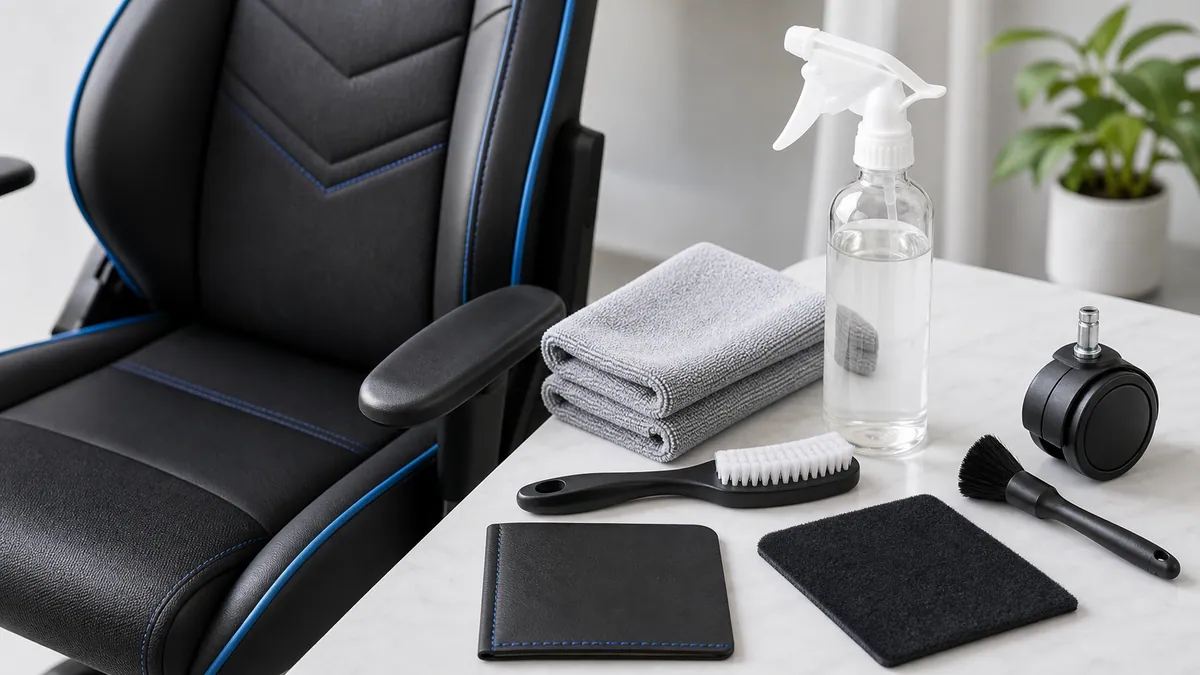
Mesh surfaces should be cleaned gently to protect the weave. Use a vacuum or soft brush first, then a lightly damp cloth if needed. Do not press too hard into the mesh because repeated force can stretch or deform the material. Armrests can usually be wiped with a damp cloth, but the surface material matters; soft-touch coatings and textured plastics may react differently to cleaners.
Plastic trim, metal bases, and decorative parts should be cleaned separately from upholstery. Wipe them down with a soft cloth and dry them to avoid streaks or residue. If the chair has moving parts, avoid spraying liquid directly into adjustment mechanisms, recline areas, or gas lift components.
How to Clean Caster Wheels and Chair Base
Caster wheels collect hair, dust, and floor debris. Turn the chair carefully, remove visible debris by hand or with a small tool, and wipe the wheels with a damp cloth. Make sure the wheels are dry before putting the chair back on the floor. A clean base and wheel set can improve movement and reduce the appearance of wear.
For B2B buyers, caster quality and base finishing should be checked during sample review. A chair can look good in product photos but still disappoint users if wheels feel rough or collect debris easily. Buyers sourcing higher-end chairs should discuss wheel type, base material, and floor compatibility before placing large orders.
Maintenance Tips for Longer Product Life
Keep the chair away from direct sunlight for long periods when possible.
Avoid harsh chemicals, abrasive pads, and excessive water.
Tighten visible screws according to the manual when needed.
Clean spills quickly and gently.
Keep caster wheels free of hair and debris.
Follow the manufacturer’s care guidance for the specific material.
Why Cleaning Guidance Matters for Brands and Distributors
Care content is not only useful for consumers. It also helps brands, retailers, and distributors reduce avoidable customer complaints. When product pages and manuals explain how to clean PU leather, fabric, mesh, and wheels, customers are less likely to use damaging methods. Good maintenance guidance supports the perceived quality of the product after purchase.
For buyers developing their own product line, cleaning guidance should be considered part of the product package, along with assembly instructions, carton design, warranty terms, and after-sales support. Anji Jietai supports wholesale buyers and brands that need gaming chair products designed for real market use, not only showroom photos. Buyers can explore product categories through the all products page or learn more from the OEM Chairs blog.
Material Choices and Buyer Positioning
Cleaning expectations can influence material selection. PU leather may appeal to buyers who want easy wipe-down care and a premium visual style. Fabric may appeal to buyers who want a softer touch and breathable feel. Mesh may fit buyers targeting ventilation and lighter use cases. The right material depends on the target market, retail price, climate, customer expectations, and product positioning.
If your brand is comparing materials for a private label chair, consider both the buying appeal and the long-term care experience. A chair that is easy to maintain can support better reviews and fewer support questions. For premium positioning, buyers may compare cleaning needs alongside ergonomics, armrest options, recline, and chair structure.
FAQ: How to Clean a Gaming Chair
How often should you clean a gaming chair?
A light wipe every week and a deeper clean every few weeks is practical for most users, depending on use and environment.
Can you use water on a gaming chair?
A lightly damp cloth is usually acceptable for many surfaces, but soaking the chair or using harsh cleaners can damage materials.
How do you clean PU leather gaming chairs?
Use a soft dry or slightly damp microfiber cloth, mild cleaner if suitable, and avoid abrasive brushes or strong chemicals.
How do you clean fabric gaming chairs?
Vacuum first, use a soft brush for dust, spot clean carefully, and avoid oversaturating the upholstery.
What should wholesalers tell customers?
Wholesalers should provide material-specific care guidance to reduce avoidable wear and customer complaints.
Need Gaming Chairs with Clear Material Options?
Care Instructions as a Product Quality Signal
For importers and retail brands, cleaning guidance is part of the product experience. Clear care instructions show that the supplier understands real customer use, not only factory production. A simple maintenance guide can reduce avoidable returns, protect product appearance, and help customer service teams answer common questions.
A care guide should be specific to the chair materials. PU leather, fabric, mesh, plastic trim, and caster wheels should not all receive the same cleaning advice. When buyers develop private label packaging or manuals, material-specific guidance should be included alongside assembly instructions and safety information.
Factory and Buyer Responsibilities
The factory should provide accurate material information and practical care recommendations. The buyer should make sure those instructions are translated clearly for the target market and included in the product page, manual, or after-sales documents. This is especially useful for brands selling through ecommerce channels where customers may search for care instructions after purchase.
Final Buying Note
The safest purchasing decision is based on product fit, communication quality, repeatability, and clear documentation. Whether the buyer is choosing a factory partner, evaluating an ergonomic feature, or preparing customer care guidance, the best results come from detailed specifications and real sample testing before scale.
What to Prepare Before Contacting the Factory
Buyers can speed up the quotation process by preparing a short but specific brief. The brief should include target market, preferred chair type, expected order volume, desired price position, customization requirements, packaging needs, delivery timeline, and any special retail or ecommerce requirements. This helps the factory respond with realistic product options instead of a generic quotation.
A strong brief also helps prevent misunderstandings between purchasing, product development, and logistics teams. When the buyer defines the commercial goal clearly, the factory can recommend models, materials, and packaging choices that match the actual sales channel. That is the difference between buying chairs and building a scalable gaming furniture program.
What to Prepare Before Contacting the Factory
Buyers can speed up the quotation process by preparing a short but specific brief. The brief should include target market, preferred chair type, expected order volume, desired price position, customization requirements, packaging needs, delivery timeline, and any special retail or ecommerce requirements. This helps the factory respond with realistic product options instead of a generic quotation.
A strong brief also helps prevent misunderstandings between purchasing, product development, and logistics teams. When the buyer defines the commercial goal clearly, the factory can recommend models, materials, and packaging choices that match the actual sales channel. That is the difference between buying chairs and building a scalable gaming furniture program.
If you are sourcing PU leather, fabric, ergonomic, racing, or esports gaming chairs for wholesale, distribution, retail, or private label programs, request a quote from Anji Jietai. Share your target market, preferred material, product style, and expected volume so the factory team can suggest suitable models and care considerations.

Comments